


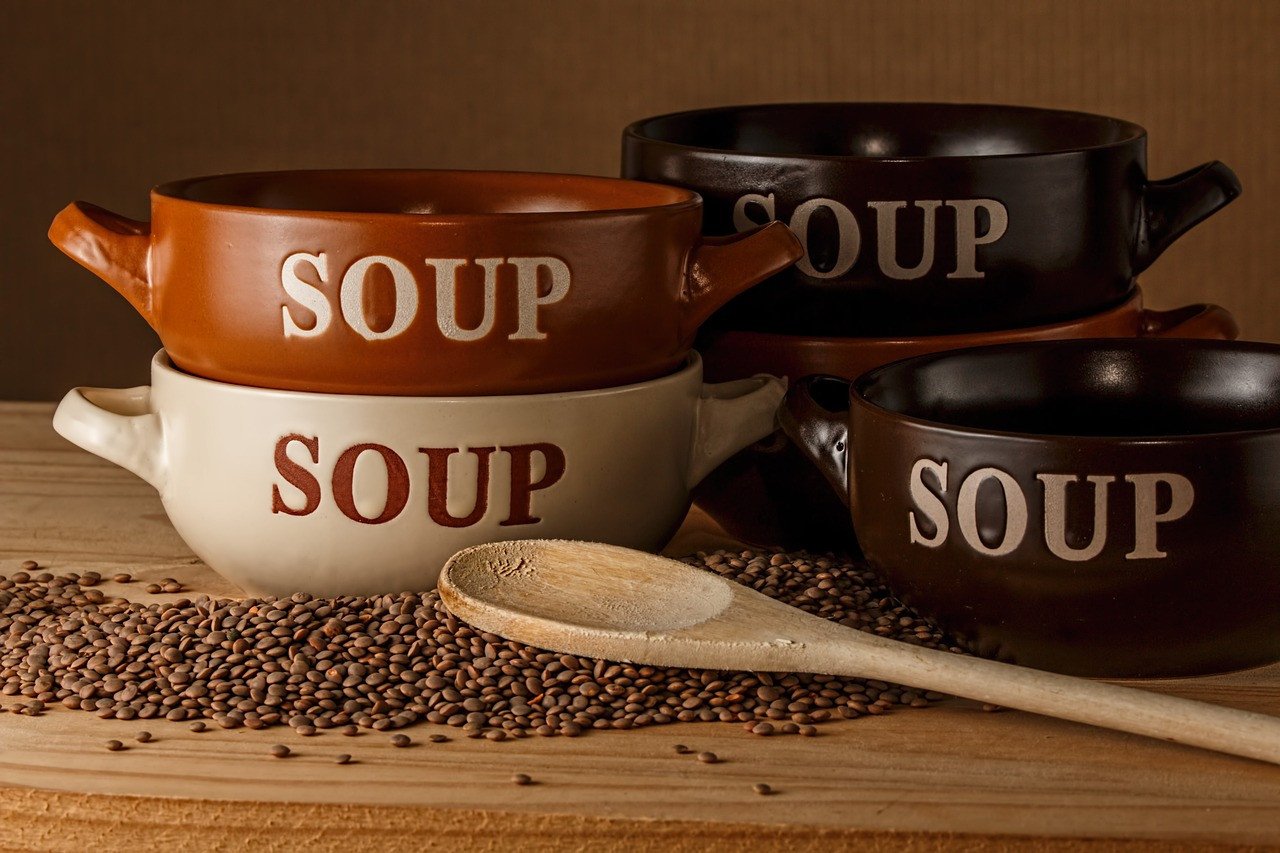
Traditional Turkish Soups A Taste of Comfort and Culture
Turkish cuisine remains traditional, presenting a flavorful variety that has been inherited through generations. Among several popular dishes, soup forms an integral part of Turkish households.
They are not just starters, but serve to bring warmth, homeliness, and comfort to the people. The most popular forms of Turkish soup are Mercimek Çorbası (Lentil Soup) and Domates Çorbası (Tomato Soup). Such soups are normally eaten with freshly baked Turkish bread, making them part of the Turkish dining culture.Turkish cuisine remains traditional, presenting a flavorful variety that has been inherited through generations. Among several popular dishes, soup forms an integral part of Turkish households.
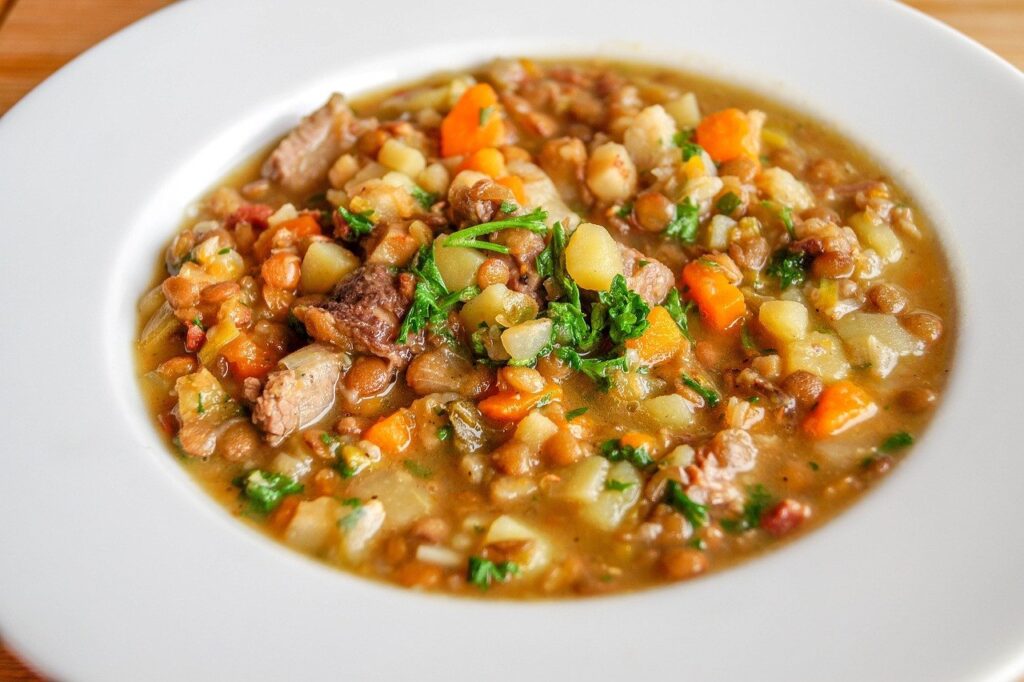
Mercimek Çorbası (Lentil Soup): A Staple of Turkish Cuisine
Mercimek Çorbası is one of the most cherished soups in Turkey. It is simple yet incredibly flavorful, making it a go-to dish for breakfast, lunch, or dinner. This soup has been part of Turkish cuisine for centuries, providing warmth during cold winters and serving as a comforting meal for families.
What makes Mercimek Çorbası so popular is its smooth, velvety texture and rich, earthy taste. It is often enjoyed with a squeeze of fresh lemon juice, which enhances its flavors, giving it a slight tangy kick. The soup is also known for its nutritious qualities, packed with protein and fiber, making it a healthy and fulfilling meal.
Served with a side of crispy, warm Turkish bread, this soup becomes even more satisfying. The bread is often used for dipping, absorbing the soup’s delicious flavors. Whether eaten at home or in a traditional Turkish restaurant, Mercimek Çorbası is a dish that never fails to bring comfort.
Comparison of Mercimek Çorbası and Domates Çorbası
| Feature | Mercimek Çorbası (Lentil Soup) | Domates Çorbası (Tomato Soup) |
|---|---|---|
| Origin | Traditional Turkish households | Mediterranean influence with a Turkish touch |
| Texture | Smooth, creamy, and hearty | Lighter, slightly tangy, and silky |
| Main Ingredients | Red lentils, onions, spices | Fresh tomatoes, spices, cheese (optional) |
| Serving Style | Served hot with lemon wedges and Turkish bread | Garnished with fresh basil and melted kasar cheese |
| Health Benefits | High in protein, fiber, and iron | Rich in antioxidants, vitamins A and C |
| Cultural Significance | Often served at family meals and during Ramadan | Common in restaurants and homes, loved for its refreshing taste |
| Best Pairing | Turkish bread (Ekmek or Pide) | Turkish bread (Ekmek) or cheese toast |
Domates Çorbası (Tomato Soup): A Classic with a Turkish Twist
omato soup is a familiar dish around the world, but the Turkish version, Domates Çorbası, has its own unique characteristics. It is light, refreshing, and full of Mediterranean flavors, making it a favorite in Turkish homes. Unlike the heavy, cream-based tomato soups commonly found in Western cuisine, Domates Çorbası is thinner, allowing the natural sweetness and acidity of the tomatoes to shine.
A distinctive feature of this soup is the addition of spices that enhance its taste, making it slightly more aromatic than traditional tomato soups. Some variations also include a touch of Turkish kasar cheese, which melts into the soup, adding a rich and creamy texture. Fresh basil or thyme is often used as a garnish, complementing the soup’s vibrant flavors.
Served with fresh Turkish bread, Domates Çorbası is a perfect balance of simplicity and taste. Whether enjoyed as a light starter or a main course, this soup offers a comforting warmth that is loved by all.
Turkish Bread: The Perfect Companion to Soup
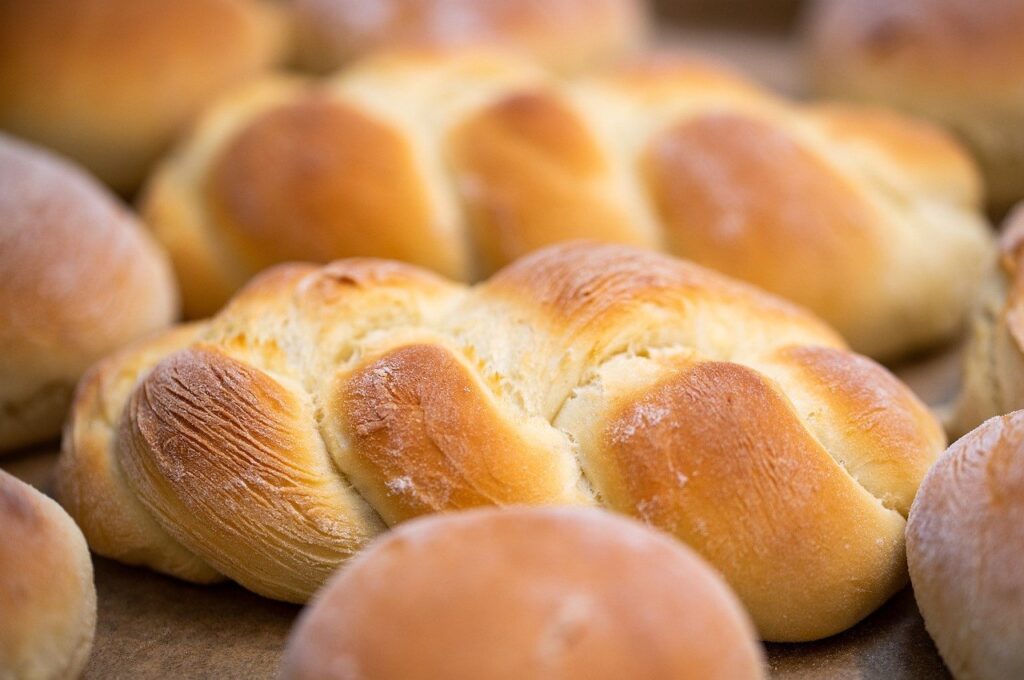
No Turkish soup experience is complete without a side of traditional Turkish bread. Soft on the inside with a crisp golden crust, Turkish bread is the perfect companion to both lentil and tomato soup. The bread soaks up the rich flavors of the soup, making each bite even more satisfying.
One of the most commonly served breads with soup is Ekmek, a simple, airy loaf that complements the lightness of Turkish soups. Another popular option is Pide, a slightly denser flatbread that pairs well with creamy and rich soups. In many households and restaurants, the bread is served warm, straight from the oven, enhancing the overall dining experience.
The combination of soup and bread is a time-honored tradition in Turkey, bringing people together over a simple yet flavorful meal. Whether enjoyed in a cozy home setting or a bustling restaurant, this pairing is a true representation of Turkish hospitality and warmth.
The Cultural Significance of Soup in Turkey
In Turkish culture, soup is more than just food; it is a symbol of warmth, hospitality, and togetherness. It is often the first dish served at family gatherings, religious celebrations, and special occasions. Many traditional Turkish meals begin with a bowl of soup, setting the tone for the rest of the meal.
Soup is also a staple during the holy month of Ramadan, where it is commonly served to break the fast. Its nourishing and easily digestible qualities make it the perfect dish to start an evening meal after a long day of fasting.
Beyond religious and cultural events, Turkish soups are also known for their healing properties. Many people turn to a bowl of hot soup when feeling under the weather, as it is believed to have soothing and restorative effects. Whether it’s a cold winter evening or a time of recovery, a bowl of soup always brings comfort and relief.
Conclusion
Turkish soups like Mercimek Çorbası and Domates Çorbası are more than just delicious dishes; they represent the heart and soul of Turkish cuisine. Simple yet rich in flavor, these soups are enjoyed by people of all ages and backgrounds. Paired with freshly baked Turkish bread, they create a comforting and fulfilling meal that has stood the test of time. Whether you’re savoring a steaming bowl of lentil soup on a chilly evening or enjoying the vibrant taste of tomato soup on a summer day, these traditional dishes offer a true taste of Turkey’s culinary heritage. More than just food, they bring warmth, tradition, and a sense of belonging to every meal.
